EMERGENCY DENTISTRY
Urgent Tooth Extractions
Safe and Gentle Emergency Extractions When Saving a Tooth Isn't Possible
At Glendale Dental Wellness, Dr. Ivan Chan always makes every effort to save a natural tooth whenever possible. However, in some cases, an urgent tooth extraction is the best way to relieve pain, stop infection, and protect your overall health. If you are experiencing severe tooth pain, trauma, or infection, we provide same-day emergency extractions in Glendale, CA, with a gentle and patient-focused approach.
Our priority is always to keep you comfortable while restoring your oral health as quickly as possible. Whether you need a simple extraction or a more complex surgical procedure, our emergency dentistry team is ready to help.
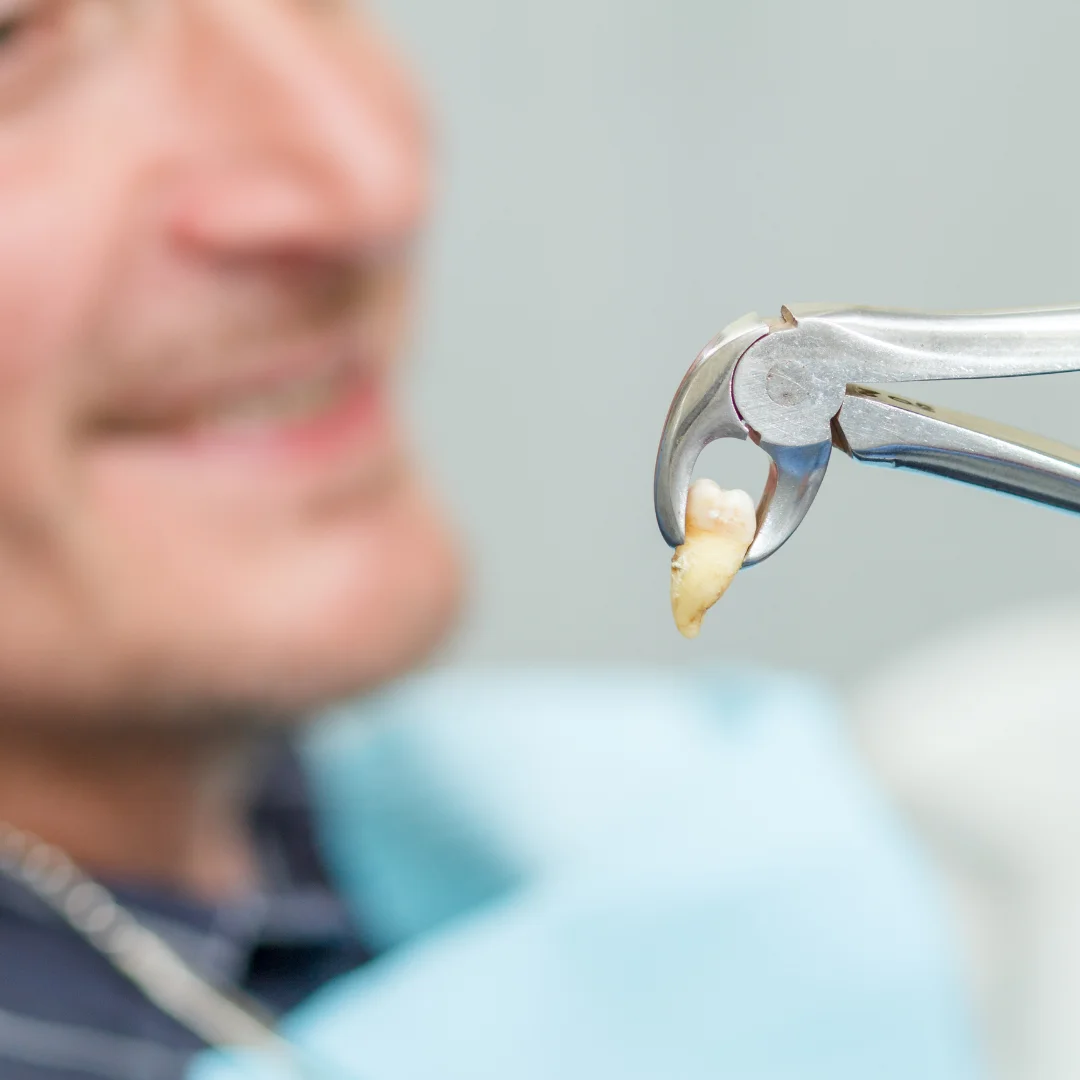
When Is an Urgent Extraction Needed?
An urgent extraction may be necessary when a tooth is causing severe pain or poses a risk to your overall health. Dr. Chan will explore all alternatives before recommending extraction, but immediate removal may be needed if a tooth is:
- Severely decayed and beyond repair: when a filling, crown, or root canal can no longer save the tooth
- Broken or fractured below the gumline: making restoration impossible
- Loosened due to advanced gum disease: with significant bone loss around the root
- Infected with risk of spreading: threatening adjacent teeth, the jawbone, or your overall health
- Causing uncontrollable pain: that cannot be resolved with other treatments
- Impacted or creating complications: such as wisdom teeth pressing against neighboring teeth
If any of these situations sound familiar, contact our office immediately at 818-243-3838 for a same-day assessment.
Types of Extractions and Replacement Options
From simple removals to surgical extractions, Dr. Chan matches the right technique to your situation and discusses long-term replacement options to restore your smile.
Simple Extraction
Used when the tooth is visible above the gumline and can be loosened and removed with specialized instruments. Local anesthesia ensures you feel no pain during the quick, straightforward procedure.
Surgical Extraction
Required when a tooth is broken below the gumline, severely impacted, or has curved roots. Dr. Chan makes a small incision to access the tooth and may section it for easier, gentler removal.
Wisdom Tooth Removal
Impacted or partially erupted wisdom teeth often require urgent removal when they cause pain, infection, or pressure on neighboring teeth. Early extraction prevents further complications.
Dental Implant Replacement
The gold standard for replacing an extracted tooth. A dental implant is placed after the bone heals (typically 3-6 months), providing a permanent, natural-looking replacement that functions like your original tooth.
Bridge Replacement
A fixed dental bridge anchored to adjacent teeth fills the gap left by an extracted tooth. This non-removable option restores your bite and appearance without waiting for bone healing.
Denture Replacement
A removable partial denture can replace one or more extracted teeth affordably. Modern partials are lightweight, comfortable, and designed to blend seamlessly with your natural teeth.
What to Expect During an Emergency Extraction
Emergency extractions are performed with the same skill and care as routine ones, just with faster scheduling to get you out of pain as soon as possible.
Immediate Assessment
Dr. Chan examines the tooth and takes necessary X-rays to evaluate the extent of damage, infection, or fracture and determine the safest extraction approach.
Effective Pain Control
Local anesthesia thoroughly numbs the tooth and surrounding area. Sedation options are available for patients with severe anxiety. If infection is present, anesthesia may take slightly longer to become fully effective.
Careful Extraction & Aftercare
Dr. Chan removes the tooth using gentle techniques that minimize trauma to surrounding tissues. The socket is cleaned, infection is managed, and you receive detailed aftercare instructions for proper healing.
Recovery After Emergency Extraction
Following these guidelines helps ensure proper healing and prevents complications like dry socket or infection.
Bite on gauze for 30-45 minutes to control bleeding. Rest, apply ice to reduce swelling, and avoid hot foods, rinsing, spitting, or using straws.
Gently rinse with warm salt water after meals. Eat soft foods, continue pain medication as needed, and avoid strenuous exercise.
If antibiotics were prescribed for infection, complete the full course even if you feel better. Take pain relievers on schedule to stay ahead of discomfort.
Both interfere with blood clot formation and healing. Smoking significantly increases your risk of dry socket, one of the most painful post-extraction complications.
Avoid touching, poking, or rinsing the area aggressively. Keep other areas clean with normal brushing, but be gentle near the socket.
Contact our office immediately if you experience excessive bleeding lasting more than 30 minutes, fever, worsening swelling after 3 days, or difficulty breathing or swallowing.
Frequently Asked Questions
How quickly can you do an emergency extraction?
We prioritize emergency patients and typically can see you the same day you call. When you contact us, our team will assess your symptoms and fit you into the schedule as quickly as possible, often within a few hours. If the pain is severe or there are signs of serious infection, we'll work to get you in immediately.
Is an emergency extraction more painful than a routine extraction?
No, the extraction procedure itself should not be more painful. However, if infection is present, the local anesthetic may take longer to become fully effective because infection affects how anesthesia works. Dr. Chan will ensure you're completely numb before beginning. You may experience more post-operative discomfort due to inflammation, which is managed with pain medication.
Will I need to take antibiotics after an emergency extraction?
If your tooth was extracted due to infection, Dr. Chan will likely prescribe antibiotics to clear the infection and prevent complications. Take all prescribed antibiotics exactly as directed, even if you feel better. Never stop early, as this can allow the infection to return.
How long until I can eat normally after an emergency extraction?
You should stick to soft foods for the first week. After that, you can gradually return to normal eating as comfort allows. Avoid hot, hard, or crunchy foods that could irritate the extraction site. Most patients can eat most foods within 2-3 weeks.
Can I get a dental implant right after an emergency extraction?
No, dental implants require waiting for the bone to heal after extraction, typically 3-6 months. This allows the socket to fill with bone and creates a strong foundation for the implant. Dr. Chan will discuss replacement options and timing during your follow-up visit.
What if I can't afford treatment?
We understand that emergency dental care can be expensive. We accept most insurance plans and offer flexible payment options. Discuss your financial concerns with our team, and we'll work with you to find affordable solutions to relieve your pain and restore your oral health.