FOUNDATIONAL ORAL CARE
General Dentistry
Our General Dentistry Services
Dental Checkups & Exams
Thorough evaluations to catch problems early and keep your smile healthy.
Professional Teeth Cleaning
Remove plaque and tartar buildup for healthier teeth and gums.
Tooth-Colored Fillings
Natural-looking, mercury-free restorations that blend with your smile.
Root Canal Therapy
Save infected teeth with gentle, comfortable treatment.
TMJ/TMD Treatment
Relief from jaw pain, clicking, headaches, and bite problems.
Mouthguards & Nightguards
Custom-fitted protection for sports, grinding, and TMJ.
Digital X-Rays
90% less radiation with instant, enhanced diagnostic images.
Oral Cancer Screenings
Early detection screenings as part of every comprehensive exam.
Comprehensive Care for Your Everyday Dental Needs
General dentistry is the foundation of a healthy smile. At Glendale Dental Wellness, Dr. Ivan Chan and our team provide thorough, gentle care that keeps your teeth and gums healthy at every stage of life, from routine checkups and professional cleanings to restorative treatments that preserve your natural teeth.
We believe prevention is the best medicine. By catching problems early with digital x-rays and comprehensive exams, we can often treat issues conservatively, saving you time, discomfort, and expense. When treatment is needed, we use modern techniques and materials that look natural and last.
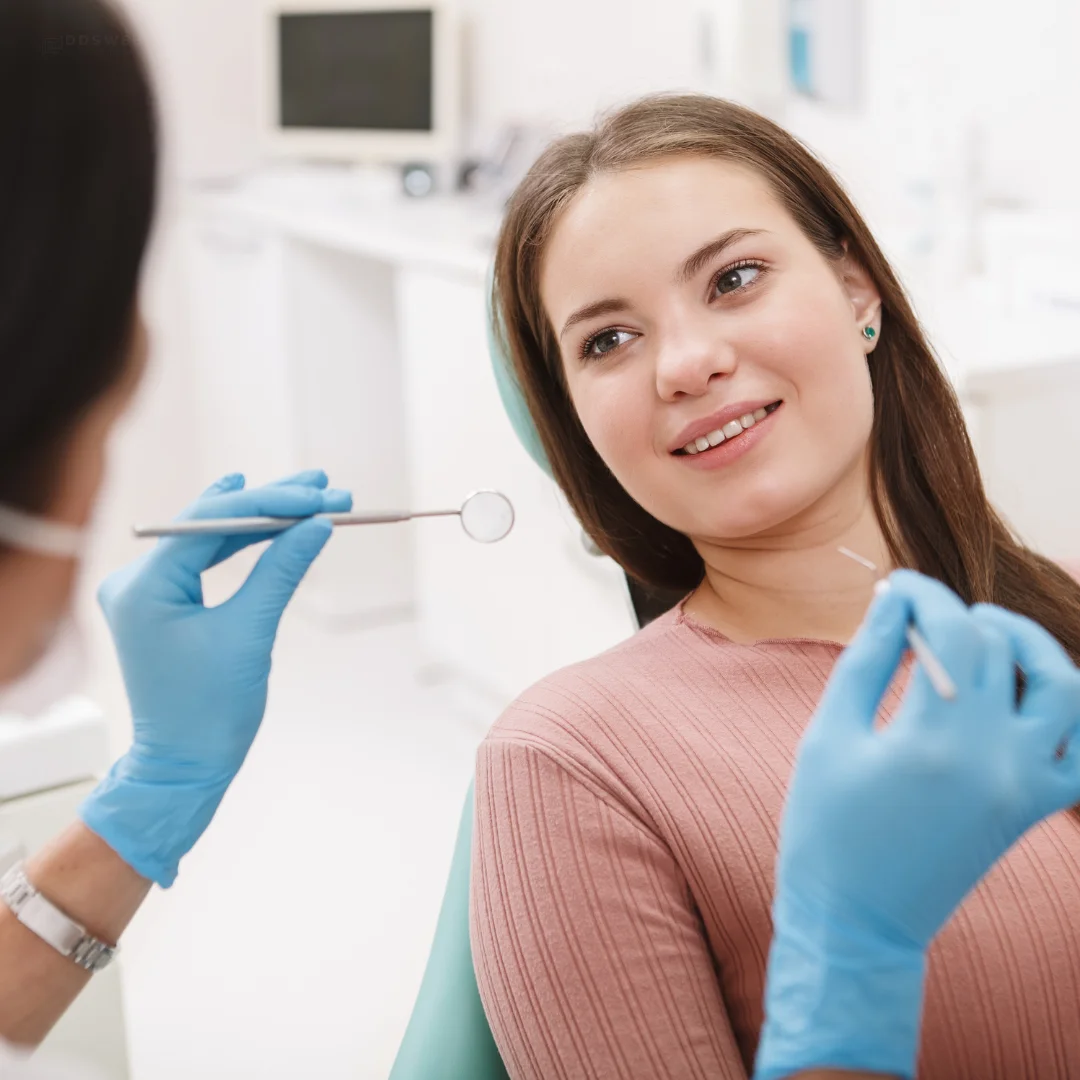
Our Approach to General Dentistry
Dr. Chan takes a personalized approach to every patient's care. Rather than a one-size-fits-all treatment plan, we consider your overall health, dental history, lifestyle, and goals. Every visit begins with a thorough evaluation, including oral cancer screenings, so nothing is overlooked.
Whether you need a simple cleaning, a tooth-colored filling, or more complex treatment like root canal therapy, we explain every option clearly and let you make informed decisions about your care. Our goal is to help you keep your natural teeth healthy for life.
What a General Dentistry Visit Includes
A typical preventive visit at Glendale Dental Wellness covers more than a cleaning and a glance in the mirror. In a single appointment we usually complete:
- A comprehensive exam by Dr. Chan, including soft-tissue and oral cancer screening
- A professional cleaning by our hygienist, scaling, polishing, and flossing
- Digital X-rays (when due) with up to 80% less radiation than traditional film
- An iTero 3D scan when needed for tracking bite changes, planning Invisalign, or designing crowns
- Personalized recommendations on home care, brushing technique, and any treatment your teeth and gums need
- A written treatment plan with pricing for anything we recommend, before you leave
Most healthy adult patients see us twice a year. If you have a higher cavity risk, active gum disease maintenance needs, or recent dental work, we may recommend more frequent visits.
The $199 New Patient Special
If you're new to the practice, your first visit can be booked as our $199 new patient special. It covers the full intake: a comprehensive exam with Dr. Chan, a complete set of digital X-rays, an iTero 3D scan of your teeth and bite, and a professional cleaning. The goal is to give us a complete baseline of your oral health and give you a clear written picture of where things stand, with zero pressure to schedule anything further. See current new patient offers or call 818-243-3838 to book.
Paying for General Dentistry
General dentistry tends to be the most insurance-friendly category we offer. PPO plans commonly cover preventive cleanings and exams at 80-100%, and basic restorative work like fillings is usually partially covered up to your annual maximum. Our front desk verifies your specific benefits before the visit so you know what's covered before treatment starts. If you don't carry dental insurance, our in-house membership plan is built to bundle the same routine care plus a discount on anything additional, and CareCredit medical financing is available when treatment plans exceed what's comfortable out-of-pocket.
Beyond the Cleaning: When to See a Specialist
Dr. Chan handles the full range of general dentistry under one roof. For specialized procedures that need additional training, we have specialists in-house:
- Dr. Jonathan Gao, orthodontist and Invisalign Gold Provider, for teen and adult clear aligner cases
- Dr. Moji Ghalambor, endodontist, for complex root canal therapy and microscopic endodontics
- LANAP laser gum treatment, a minimally invasive alternative to traditional gum surgery, available for patients with periodontal disease
Coordinating care under one roof means fewer referral appointments, faster treatment, and a single set of records that everyone on your care team sees.
Maintaining Your Oral Health
Spend at least two minutes brushing in the morning and before bed. Use a soft-bristled toothbrush and replace it every three months.
Flossing removes plaque and food particles from between teeth where your brush can't reach. It's the single most important thing you can do to prevent gum disease.
Regular visits allow us to catch problems early. A small cavity today can become a root canal or extraction tomorrow if left untreated.
Bleeding gums, persistent bad breath, tooth sensitivity, or jaw pain are your body's signals that something needs attention. Don't wait for pain to become severe.
Sugar feeds the bacteria that cause cavities, while acidic foods erode enamel. Rinse with water after consuming them, and wait 30 minutes before brushing.
A custom mouthguard from your dentist offers far better protection than store-bought options. One blow to the face can mean years of restorative work.
Common Questions About General Dentistry
How often should I visit the dentist?
We recommend dental checkups and cleanings every six months for most patients. However, some individuals with gum disease or other conditions may benefit from more frequent visits. We'll recommend the ideal schedule based on your individual needs.
What happens during a dental cleaning?
During a cleaning, our hygienist removes tartar and plaque from your teeth using specialized instruments. Your teeth are then polished and fluoride is applied. A thorough cleaning helps prevent cavities and gum disease.
Are tooth-colored fillings better than silver amalgam?
Tooth-colored fillings offer several advantages: they're more aesthetically pleasing, they bond directly to your tooth (requiring less tooth removal), and many patients prefer them for safety reasons. We recommend discussing the best option for your specific situation.
What can I do about tooth sensitivity?
Tooth sensitivity can be caused by worn enamel, exposed root surfaces, or gum disease. Treatment options include desensitizing toothpaste, fluoride gel, gum grafting, or root canal therapy. We'll identify the cause and recommend the best treatment.
Is it painful to have a root canal?
Modern root canal therapy is comfortable and performed under local anesthesia. Most patients compare the experience to having a filling placed. The procedure relieves the pain caused by the infected tooth, and any mild soreness afterward resolves within a few days.
How do I know if I need a dental crown?
A dental crown may be recommended when a tooth is too damaged for a filling to restore, after root canal therapy, or to protect a cracked tooth. Dr. Chan will evaluate the extent of damage and discuss whether a crown is the best option to preserve your natural tooth.