REPAIR & REPLACE
Restorative Dentistry
Our Restorative Services
Dental Crowns & Bridges
Restore damaged teeth and replace missing ones with natural-looking restorations.
Dental Implants
Permanent tooth replacement that looks, feels, and functions like natural teeth.
All-on-4 Dental Implants
A full arch of fixed teeth on four implants, as a permanent alternative to dentures.
Full Mouth Dental Implants
Replacing upper and lower teeth, with each arch planned and priced separately.
Dentures & Partials
Full and partial dentures including implant-supported options.
Tooth-Colored Fillings
Mercury-free composite fillings that blend with your natural tooth color.
Root Canal Therapy
Save infected teeth and relieve pain with modern endodontic treatment.
Tooth Extractions
Gentle extractions when a tooth cannot be saved, with replacement options.
Restore Your Smile's Health and Function
Restorative dentistry focuses on repairing damaged teeth and replacing missing ones to restore function, comfort, and aesthetics. Whether you've experienced decay, trauma, or tooth loss, Dr. Ivan Chan and the team at Glendale Dental Wellness offer comprehensive solutions tailored to your unique needs.
We combine advanced technology with artistic skill to create restorations that blend seamlessly with your natural teeth. From a single filling to full-mouth reconstruction, every treatment plan is designed to give you lasting results and renewed confidence in your smile.
Our Restorative Philosophy
At Glendale Dental Wellness, we believe restorative dentistry should do more than patch a problem. Dr. Chan takes a whole-mouth approach, considering how each restoration affects your bite, jaw alignment, and long-term oral health. The goal is always to preserve as much natural tooth structure as possible while delivering results that look, feel, and function like your original teeth.
Every patient receives a thorough evaluation before treatment begins. We use digital imaging and advanced diagnostics to identify the most effective, least invasive approach for your situation. Whether you need a simple filling or a complex implant-supported restoration, we take the time to explain your options so you can make an informed decision.
Your Restorative Options at a Glance
Restorative dentistry covers a wide range of treatment. Picking the right one depends on how much tooth structure is left, the location of the tooth, and your long-term goals.
- Tooth-colored fillings: composite fillings repair cavities and minor chips while blending seamlessly with the rest of the tooth. Best for small to mid-sized cavities.
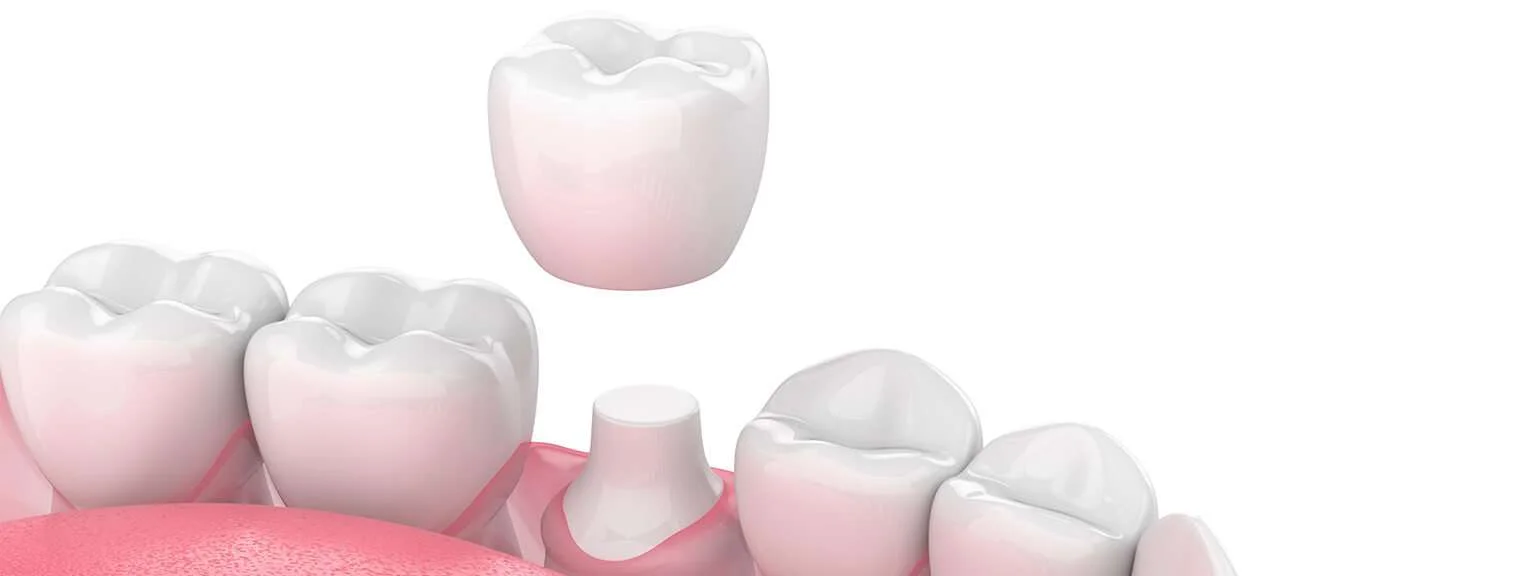
- Crowns and bridges: crowns cover a damaged tooth, restoring strength and appearance; bridges replace a missing tooth by anchoring to adjacent teeth.
- Dental implants: titanium posts permanently replace missing teeth at the root, preserving jawbone and preventing the bone loss that follows tooth loss.
- Dentures and partials: removable replacements for multiple missing teeth; can be paired with implants for added stability.
- Root canal therapy: endodontic treatment saves a tooth that's been infected or damaged at the nerve. Handled in-house by our endodontist Dr. Moji Ghalambor.
- Tooth extractions and bone grafting: when a tooth can't be saved, extraction is performed as gently as possible, often combined with bone grafting to preserve the site for a future implant.
- Emergency repairs: same-day crown repairs and emergency dentistry for cracked teeth, lost fillings, and dental trauma.
How We Sequence Complex Restorative Plans
When a patient needs multiple restorations (say, several crowns and an implant or two), we don't tackle everything at once. The right sequence protects your investment and minimizes time in the chair. A typical complex plan flows through:
- Stabilize. Treat any active disease first (cavities, infection, gum disease) so we're building restorations on a healthy foundation.
- Plan. A complete digital workup using 3D imaging and an iTero scan, so every restoration is designed to fit your bite and smile line.
- Replace. Address any missing teeth with implants, bridges, or partials in the order that best supports the rest of the plan.
- Restore. Place crowns, veneers, or fillings on remaining teeth in the visual and functional sequence that produces the most natural final result.
- Maintain. A maintenance schedule (often a hygiene visit every 3-4 months) protects the work for the long haul.
Paying for Restorative Dentistry
Restorative dentistry sits in the middle of where insurance helps the most and where you'll see real out-of-pocket costs. PPO plans typically contribute 50-80% on basic restorations and roughly 50% on major work like crowns, bridges, and dentures, but annual maximums tend to cap total coverage. For larger plans we often phase the work across two calendar years so two years of benefits can be applied. We accept every PPO plan we've encountered. When insurance isn't enough, CareCredit medical financing fills the gap with 0% and low-interest options, and our in-house membership plan is an alternative path for uninsured patients.
What You Should Know About Restorative Dentistry
Persistent toothache, sensitivity to hot or cold, visible cracks or chips, dark spots on teeth, loose teeth, or difficulty chewing are common indicators that a restoration may be needed.
Addressing dental problems early prevents small issues from becoming costly emergencies. Early intervention preserves more natural tooth structure, reduces treatment time, and protects your overall oral health.
The best option depends on the extent of damage, tooth location, your budget, and long-term goals. Dr. Chan will walk you through each option, including pros, cons, and expected longevity, so you can choose with confidence.
Brush and floss daily, avoid using teeth as tools, wear a nightguard if you grind, and keep up with regular checkups. With proper care, most restorations last many years or even a lifetime.
Frequently Asked Questions
What is restorative dentistry?
Restorative dentistry focuses on repairing or replacing damaged, decayed, or missing teeth. It restores function and appearance, prevents further damage, and improves overall oral health. Common procedures include fillings, crowns, bridges, implants, and dentures.
How long do restorations last?
The lifespan varies by procedure. Fillings last 5-30 years depending on material. Crowns and bridges typically last 10-15 years. Implants can last a lifetime with proper care. Dentures may need adjustment or replacement every 5-8 years.
What's the difference between crowns and veneers?
Crowns cover the entire tooth and require more tooth preparation, but they provide stronger restoration for severely damaged teeth. Veneers cover only the front surface and require minimal tooth removal, making them ideal for cosmetic enhancement of relatively healthy teeth.
Can I eat normally with a dental bridge?
Yes, bridges allow normal eating and speaking once you adjust to them. However, you should avoid very hard or sticky foods that might damage the bridge. Proper cleaning underneath the bridge is important for long-term success.
How do I care for my dentures?
Dentures should be cleaned daily with a denture brush and cleaner. Remove them at night and soak them in water or cleaning solution. Handle them carefully to avoid breakage, and see us regularly for adjustments as your jaw shape changes.
Does insurance cover restorative dentistry?
Most dental insurance plans cover a portion of restorative procedures since they are considered medically necessary. Coverage varies by plan and procedure. Our team will help you understand your benefits and maximize your coverage before treatment begins.