RESTORATIVE DENTISTRY
Root Canal Therapy
Relief From Tooth Pain With Gentle, Modern Endodontic Care
When decay or infection reaches the inner pulp of a tooth, the pain can be severe, and ignoring it can threaten the tooth's survival. At Glendale Dental Wellness, Dr. Ivan Chan provides gentle, precise root canal therapy designed to save your natural tooth, stop infection, and restore function. Thanks to advanced technology and comfort options, the procedure is far more comfortable than many patients expect.
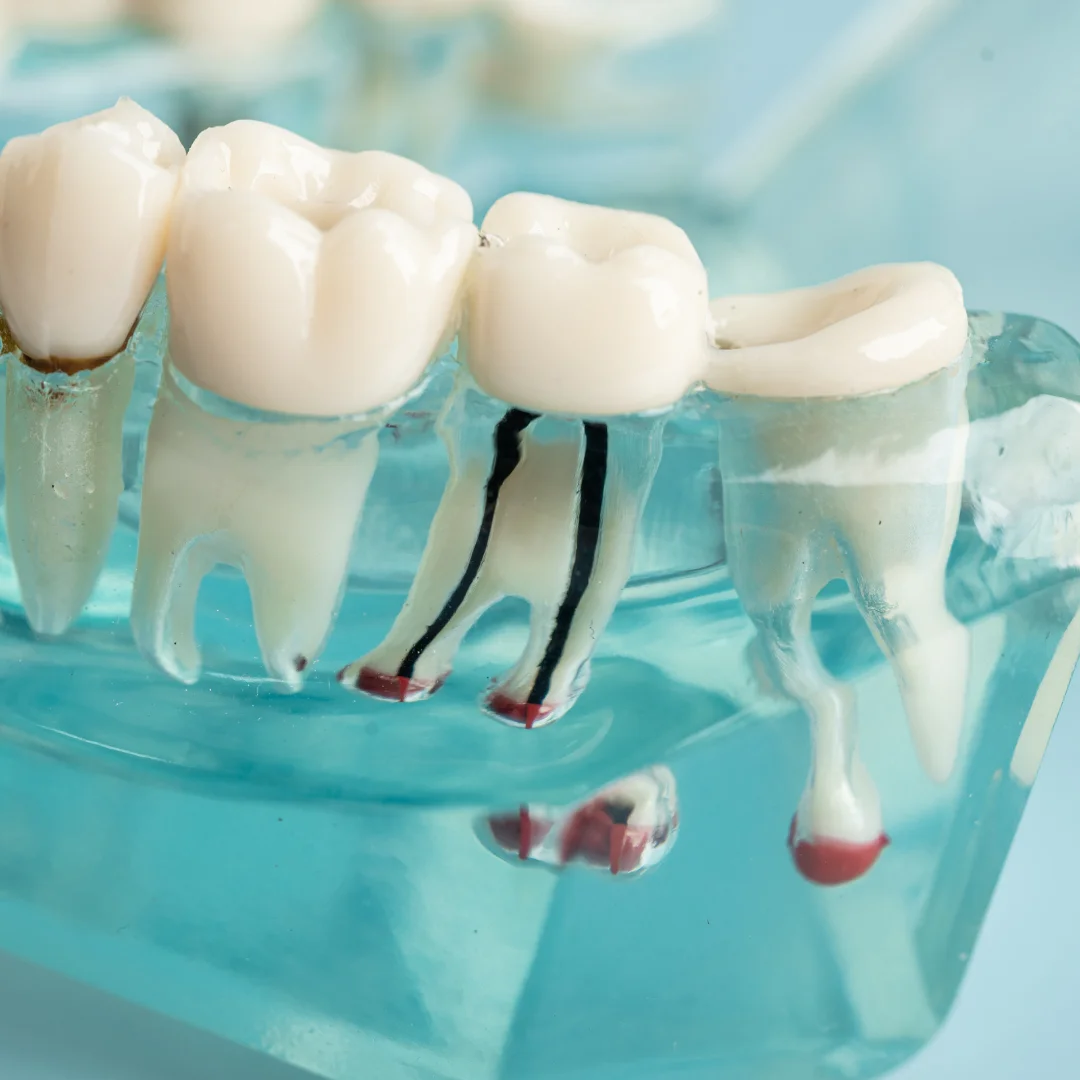
A root canal removes infected or damaged pulp tissue from inside a tooth, then cleans, disinfects, and seals the root canals to prevent reinfection. The tooth is then reinforced with a crown, restoring strength and appearance. With a success rate exceeding 95%, root canal therapy is one of the most reliable procedures in modern dentistry.
Signs You May Need a Root Canal
Several symptoms can indicate that the pulp inside your tooth is infected or damaged. Not every toothache requires a root canal, sometimes sensitivity is caused by a cracked tooth, gum disease, or a sinus issue. Dr. Chan will perform a thorough examination to determine the best course of action.
- Severe toothache: persistent pain when chewing or applying pressure
- Prolonged sensitivity: lingering pain after exposure to hot or cold, even after the stimulus is removed
- Tooth discoloration: darkening of the tooth indicating nerve damage
- Gum swelling: tenderness or swelling in the gums near the affected tooth
- Gum abscess: a small pimple-like bump on the gums that may drain
- Loose tooth: the tooth feels slightly mobile due to bone loss from infection
If any of these sound familiar, contact our office or visit our emergency dentistry page for immediate guidance.
The Root Canal Procedure
Root canal therapy typically requires one or two appointments. Dr. Chan uses digital imaging, rotary instruments, and apex locators for faster, more precise treatment.
Diagnosis & Planning
Dr. Chan examines the tooth and takes high-resolution digital X-rays to assess the extent of infection and map the root canal anatomy for precise treatment planning.
Anesthesia & Isolation
Local anesthesia numbs the tooth and surrounding area completely. A rubber dam isolates the tooth, keeping it dry and free from bacteria during treatment. Sedation options are available for anxious patients.
Pulp Removal
Dr. Chan carefully opens the tooth and removes the infected or damaged pulp tissue from the chamber and root canals using advanced rotary instruments.
Cleaning & Shaping
The root canals are thoroughly cleaned, shaped, and disinfected with antimicrobial solutions to eliminate all traces of infection and prepare for filling.
Filling & Sealing
Once the canals are clean, they are filled with gutta-percha, a biocompatible material that seals the tooth and prevents reinfection from occurring.
Crown Restoration
A custom crown is placed over the treated tooth to protect it and restore full strength, function, and appearance for years to come.
Recovery & Aftercare
Most patients return to normal activities immediately after treatment. Follow these guidelines for a smooth recovery:
Until your permanent crown is placed, keep pressure off the treated tooth to prevent cracking or damage to the temporary filling.
Over-the-counter pain medication can help with any soreness, which typically subsides within two to three days after the procedure.
A permanent crown protects and strengthens the tooth. Delaying this step increases the risk of fracture or reinfection.
Brush and floss normally, being gentle around the treated area. Good hygiene prevents future problems and extends the life of the restoration.
Contact our office if you experience severe pain, visible swelling, or your bite feels uneven. Visit our emergency dentistry page if symptoms are urgent.
Routine visits allow Dr. Chan to monitor the treated tooth and catch any concerns early, ensuring long-term success of the root canal.
Frequently Asked Questions
Does root canal therapy hurt?
No, root canal therapy should not hurt. The tooth is numbed with local anesthesia before the procedure begins, and Dr. Chan uses advanced techniques and technology to ensure your comfort throughout. In fact, the root canal procedure relieves the pain you're experiencing from the infected tooth. If you have anxiety about dental procedures, Dr. Chan offers sedation options to help you feel relaxed and comfortable.
How long does a root canal take?
Most root canal procedures take between 30 minutes to 1 hour, depending on the complexity of your case and which tooth is being treated. Front teeth (incisors) are typically simpler and faster, while molars may take longer because they have more root canals. In some complex cases, Dr. Chan may recommend scheduling two appointments.
Is root canal therapy expensive?
Root canal therapy costs vary depending on which tooth is affected and the complexity of the case. However, the cost is typically much less than extracting the tooth and replacing it with an implant or bridge. We accept most insurance plans and offer flexible payment options to make this important treatment affordable.
What should I do after root canal therapy?
After root canal therapy, avoid chewing on the treated tooth until a permanent restoration (usually a crown) is placed. Take over-the-counter pain medication if you experience mild discomfort. You should schedule your follow-up appointment as soon as possible to have the tooth restored. Most patients can return to work or school the same day.
How long will my root canal last?
With proper care, a tooth that has had root canal therapy can last as long as any other natural tooth. The success of the treatment depends on whether the tooth is properly restored (usually with a crown) and on your commitment to good oral hygiene. According to the American Association of Endodontists, root canals have a success rate of over 95%.
Can a root canal fail?
Although root canals are highly successful, occasionally a tooth may not heal as expected or new problems may occur months or years after successful treatment. If a root canal fails, Dr. Chan may recommend a re-treatment or retreatment, where the tooth is reopened and the filling material is removed and replaced.