RESTORATIVE DENTISTRY
Deep Cleaning (Scaling & Root Planing)
What Is Deep Cleaning?
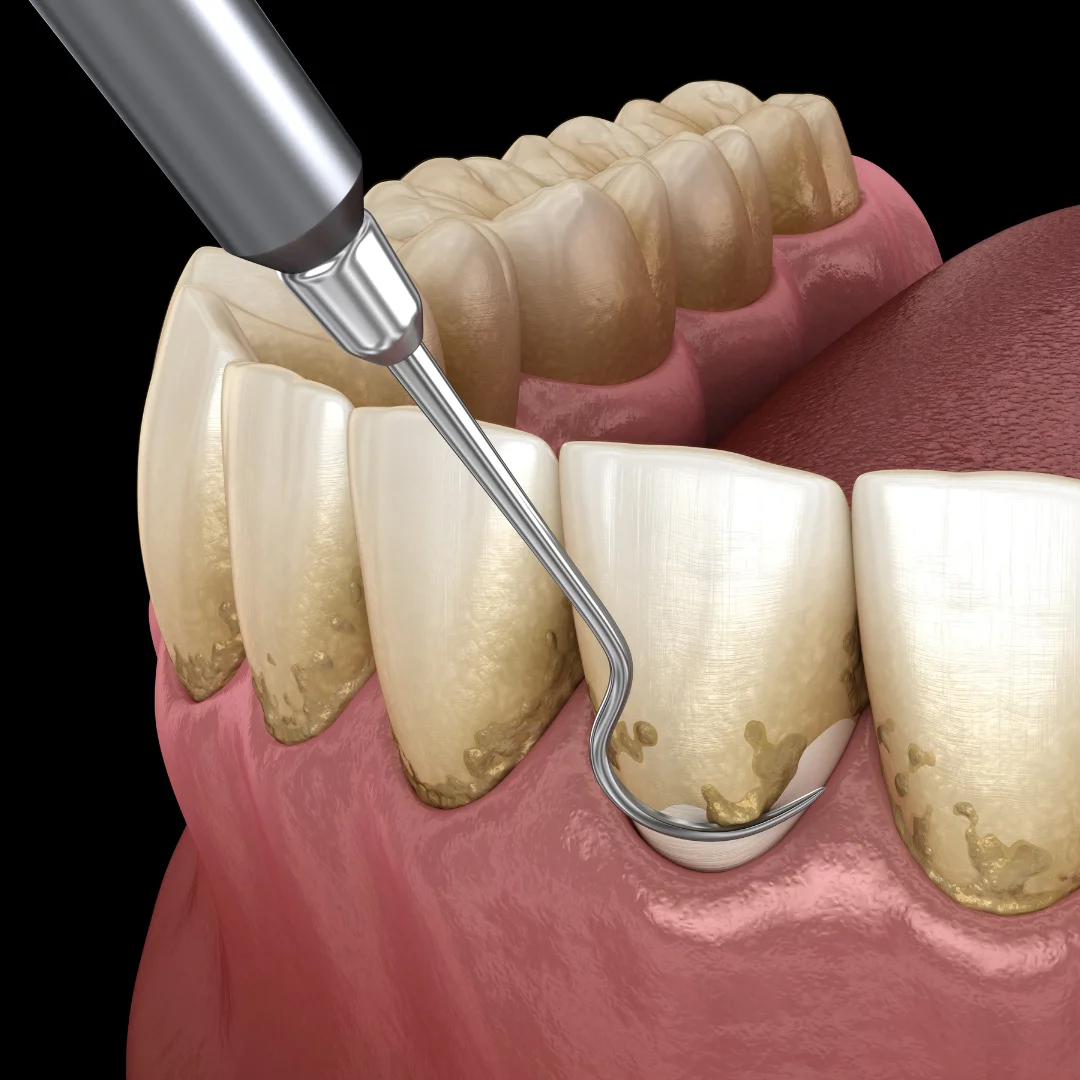
Deep cleaning, also known as scaling and root planing, is a non-surgical treatment that removes tartar, plaque, and bacteria from below the gum line. Unlike a regular cleaning that focuses above the gumline, deep cleaning reaches into periodontal pockets where disease takes hold. At Glendale Dental Wellness, Dr. Ivan Chan uses ultrasonic instruments and precise hand tools to eliminate hardened deposits and smooth root surfaces, giving your gums the best chance to heal and reattach.
Signs You May Need Deep Cleaning
Deep cleaning is recommended when gum disease has progressed beyond what regular brushing, flossing, and preventive cleanings can address. Common signs include:
- Periodontal pockets deeper than 4mm: measured during your dental checkup
- Bleeding or swollen gums: especially when brushing or flossing
- Persistent bad breath: caused by bacteria trapped below the gumline
- Receding gums: teeth appearing longer as gum tissue pulls away
- Bone loss on X-rays: indicating the disease is affecting supporting structures
- Loose or shifting teeth: a sign of advanced periodontal disease
Early intervention with deep cleaning can stop gum disease from progressing and help you avoid more invasive procedures like laser gum surgery.
The Deep Cleaning Procedure
Dr. Chan follows a thorough, step-by-step approach to ensure your comfort and the best possible outcome for your gum health:
Assessment & Planning
Dr. Chan measures periodontal pocket depths, reviews X-rays, and evaluates the extent of tartar buildup to create a personalized treatment plan tailored to your condition.
Scaling
Using an ultrasonic scaler, Dr. Chan breaks up and removes hardened tartar deposits from tooth surfaces both above and below the gumline, flushing bacteria from periodontal pockets.
Root Planing
Precise hand instruments smooth the root surfaces, removing rough areas where bacteria collect. Smooth roots help gum tissue heal and reattach firmly to the teeth.
Antibiotic Therapy
In some cases, a localized antibiotic is placed directly into deeper pockets to help eliminate stubborn bacteria and promote healing between appointments.
Follow-Up Evaluation
A follow-up visit four to six weeks later allows Dr. Chan to measure healing progress, re-check pocket depths, and determine whether additional treatment is needed.
Ongoing Maintenance
After healing, regular periodontal maintenance visits every three to four months keep gum disease from returning and protect your results long-term.
Recovery Tips & Preventing Recurrence
Following these guidelines after deep cleaning helps you heal faster and keeps gum disease from returning:
Gently rinse several times daily for the first few days to reduce inflammation and promote healing.
Avoid hard, crunchy, or sticky foods for two to three days. Stick to soups, yogurt, and soft-cooked vegetables.
Use a soft-bristle toothbrush and be gentle around treated areas. Resume normal brushing as sensitivity fades.
Daily flossing removes plaque from areas your toothbrush cannot reach, which is critical for preventing reinfection.
Regular professional cleanings every three to four months are essential to monitor pocket depths and prevent relapse.
Smoking significantly slows healing and increases the risk of gum disease returning after treatment.
Conditions like diabetes can affect gum health. Work with your doctor to keep systemic health in check.
Contact our office if you notice increased bleeding, swelling, or pain after the first few days of recovery.
Frequently Asked Questions
Is deep cleaning painful?
Deep cleaning is generally not painful because we apply local anesthesia before the procedure. You may feel some pressure and vibration from the instruments, but not pain. Some patients experience mild sensitivity or soreness for a day or two afterward, which is normal and subsides quickly.
How long does deep cleaning take?
Deep cleaning typically requires one to two appointments, each lasting 45 minutes to an hour, depending on the extent of gum disease and the number of teeth involved. Some dentists do the entire mouth in one visit, while others prefer to do half the mouth at a time.
Will deep cleaning stop my gum disease?
Deep cleaning is an effective treatment that can stop gum disease progression when combined with improved home care and regular maintenance visits. However, you must maintain excellent oral hygiene and follow-up appointments to keep the disease under control. In severe cases, additional treatment may be needed.
How often do I need deep cleaning?
After successful deep cleaning, most patients return for follow-up visits every three to four months, then every six months once the gums are healthy. Maintenance visits help prevent disease recurrence. Some patients with aggressive gum disease may need more frequent cleanings.
What's the difference between deep cleaning and regular cleaning?
Regular cleaning removes plaque and tartar from above the gumline and is preventive. Deep cleaning treats existing gum disease by removing deposits and bacteria from below the gumline, in periodontal pockets where disease takes hold. Deep cleaning is more thorough and targeted at treating disease rather than preventing it.