PREVENTIVE CARE
Gum Disease Maintenance
Protecting Your Gums to Preserve Your Smile and Overall Health
Healthy gums are the foundation of a healthy smile. Without proper care, gum disease, also known as periodontal disease, can silently progress, leading to tooth loss and even affecting your overall health. At Glendale Dental Wellness, Dr. Ivan Chan and our team focus on early detection, personalized treatment, and long-term maintenance to protect your gums and keep your smile strong.
According to the American Academy of Periodontology, nearly half of adults over 30 in the United States have some form of gum disease. However, with early detection and proper maintenance, gum disease can be managed and its progression stopped.
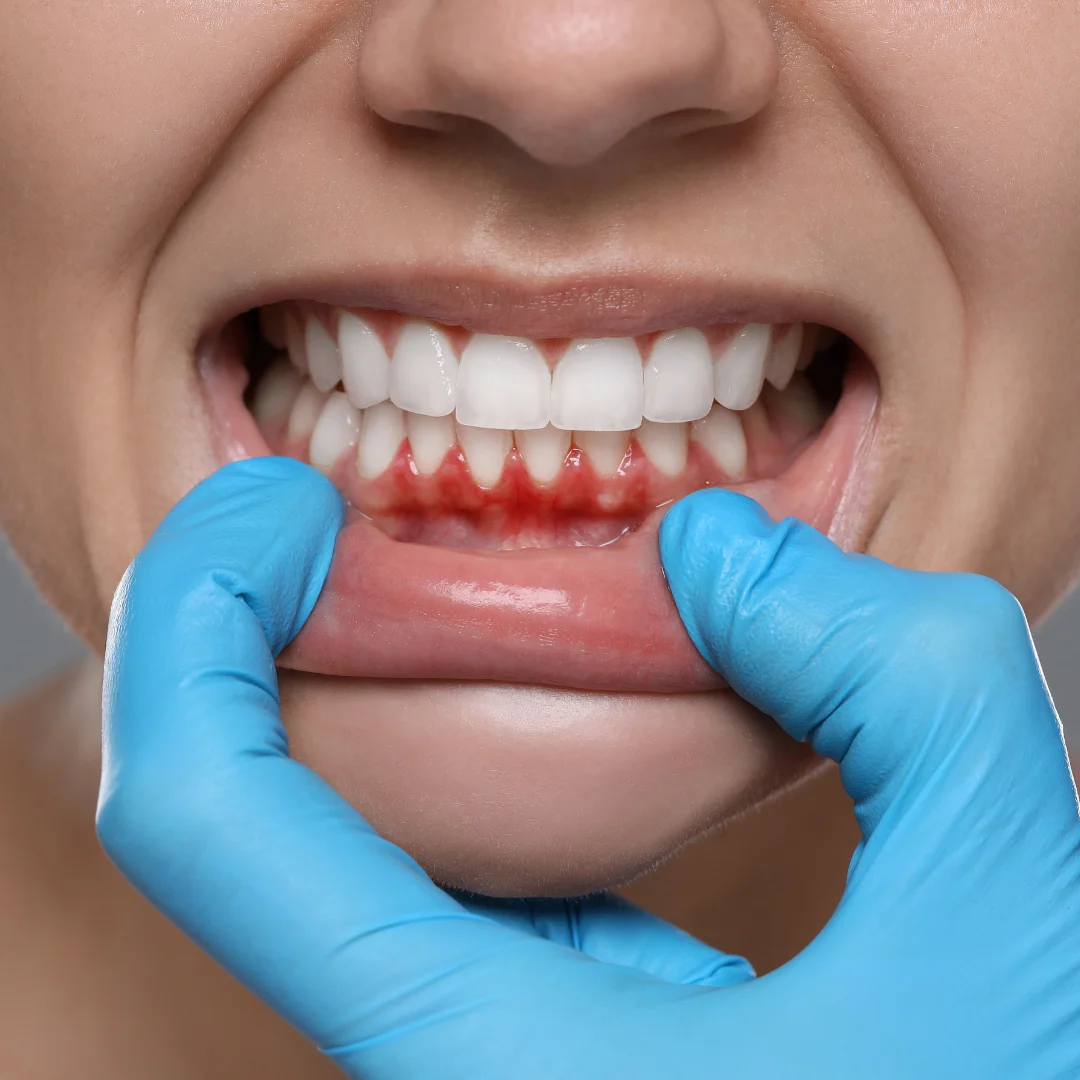
Stages of Gum Disease
Gum disease develops in stages, each with distinct symptoms and treatment needs:
Gingivitis
The earliest, most reversible stage. At this point the problem is limited to the gum tissue and is easily treatable with improved oral hygiene and professional cleaning. Signs include:
- Red, swollen gums
- Bleeding when brushing or flossing
- Persistent bad breath
- Tender or sensitive gums
Periodontitis
If gingivitis is left untreated, it can progress to periodontitis, a more serious form where the infection damages the bone and tissues supporting the teeth. While periodontitis cannot be completely reversed, it can be managed and its progression stopped with proper treatment. Signs include:
- Gum recession (teeth appear longer)
- Deepening pockets around teeth
- Loose or shifting teeth
- Pus between teeth and gums
- Changes in bite or denture fit
Risk Factors
Some patients are at higher risk for developing gum disease. If any of these apply, regular professional monitoring becomes even more important:
- Smoking: the leading modifiable risk factor
- Family history: genetic susceptibility to gum disease
- Diabetes: increases susceptibility to infection
- Hormonal changes: pregnancy, menopause
- Stress: compromises immune response
- Certain medications: those that reduce saliva flow
Gum Disease Treatment Options
Dr. Chan develops a customized treatment plan based on the severity of your condition. Depending on the stage and your individual needs, your plan may include:
Deep Cleaning (Scaling & Root Planing)
The foundation of gum disease treatment. Scaling and root planing removes plaque and tartar from above and below the gumline, then smooths tooth roots to prevent bacteria reattachment. Most patients see improvement within 3-6 months.
LANAP Laser Treatment
For moderate to advanced cases, LANAP laser therapy targets infected tissue without cutting or sutures. This minimally invasive approach promotes faster healing and preserves healthy gum tissue.
Antibiotic Therapy
Antimicrobial rinses or targeted antibiotics reduce bacterial infection, aid healing after deep cleaning, and support your immune system's response between appointments.
Gum Grafting
When gum recession has exposed tooth roots, grafting procedures restore the gumline, reduce sensitivity, and protect against further bone loss. We coordinate with trusted periodontists for advanced surgical cases.
Maintenance Visits
Patients with gum disease history need professional cleanings four times per year instead of the standard two. These visits monitor gum health, remove buildup, and allow early intervention if problems develop.
Home Care Program
Dr. Chan creates a personalized home care routine including proper brushing technique, daily flossing, antimicrobial rinses, and tools like electric toothbrushes or water flossers tailored to your needs.
Preventing Gum Disease Recurrence
Professional treatment is only part of the equation. These daily habits and awareness keep your gums healthy long-term:
Stay consistent with your maintenance schedule, typically every 3 months. Skipping appointments allows bacteria to rebuild and pockets to deepen before you notice symptoms.
Brush twice daily with a soft-bristled brush using gentle circular motions at the gumline. Floss at least once daily, sliding below the gumline where your brush cannot reach. Consider an electric toothbrush for better plaque removal.
Contact our office if you notice bleeding gums, persistent bad breath, gum recession, loose teeth, or changes in your bite. Early intervention prevents small setbacks from becoming serious problems.
Quit smoking, the single greatest risk factor. Manage stress, maintain balanced nutrition rich in vitamins C and D, control blood sugar if diabetic, and get adequate sleep to support your immune system.
Research links gum disease to heart disease, stroke, diabetes complications, and respiratory infections. Maintaining your gum health is an investment in your overall health, not just your smile.
Water flossers help patients with implants, bridges, or difficulty using traditional floss. Antimicrobial rinses recommended by Dr. Chan target bacteria in hard-to-reach areas between professional cleanings.
Frequently Asked Questions
Is gum disease reversible?
Gingivitis (the early stage) is completely reversible with improved home care and professional cleaning. However, periodontitis (advanced stage) cannot be completely reversed, but it can be stopped and managed with proper treatment and maintenance. This is why early detection is so important.
Can I have gum disease without knowing it?
Yes. Many people have gum disease and don't realize it. In early stages, you might not notice symptoms, or you might attribute bleeding gums to aggressive brushing. This is why regular dental checkups are so important for early detection.
Will gum disease cause tooth loss?
Untreated gum disease can eventually lead to tooth loss as it damages the supporting tissues and bone. However, with early treatment and proper maintenance, you can keep your teeth for a lifetime.
Is gum disease contagious?
While the bacteria involved in gum disease can be transmitted through saliva, having the bacteria doesn't automatically mean you'll develop gum disease. Your immune system and oral hygiene play major roles in whether you develop the disease.
How often do I need to see a dentist if I have gum disease?
If you have a history of gum disease, we typically recommend professional cleanings and checkups 4 times per year (every 3 months) instead of the standard twice yearly. This more frequent monitoring helps prevent recurrence.
Can I treat gum disease at home?
Improved home care is essential for managing gum disease, but professional treatment is usually necessary. Early gingivitis might improve with excellent home care alone, but moderate to advanced cases require professional scaling and root planing.
Will scaling and root planing hurt?
We use local anesthetic to numb the area, so you shouldn't feel pain during the procedure. You might feel some pressure and vibration, but not pain. Some patients experience mild sensitivity afterward, which typically resolves quickly.