- Why the Start of the School Year Is Good Timing
- How Invisalign Works for Teenagers
- What Aligners Correct, and What They Do Not
- The Compliance Question Every Parent Asks
- Aligners and School Sports
- Everyday Life With Trays
- Keeping Teeth Healthy During Treatment
- What Treatment Costs and How Families Plan for It
- Retainers Are Part of the Plan
- Book a Consultation in Glendale
The start of a new school year has a way of making teenagers notice their smiles. New classes, new photos, and a fresh set of social dynamics all arrive in the same few weeks. At Glendale Dental Wellness, we see a reliable jump in aligner consultations every August, as families across Glendale, Burbank, Pasadena, Eagle Rock, and La Crescenta decide this is the year to do something about crowding or spacing. Here is what parents and teens should know before booking.
Why the Start of the School Year Is Good Timing
Beginning treatment in late August means the awkward adjustment period happens while everything else is already changing. Your teen gets used to wearing trays during the first few weeks of school, when routines are being rebuilt anyway, rather than in the middle of a settled semester. It also puts the finish line in a useful place. A case that starts now often reaches its final trays before spring photos and end-of-year events. If your teen is heading into a milestone year, that timing is worth planning around deliberately.
How Invisalign Works for Teenagers
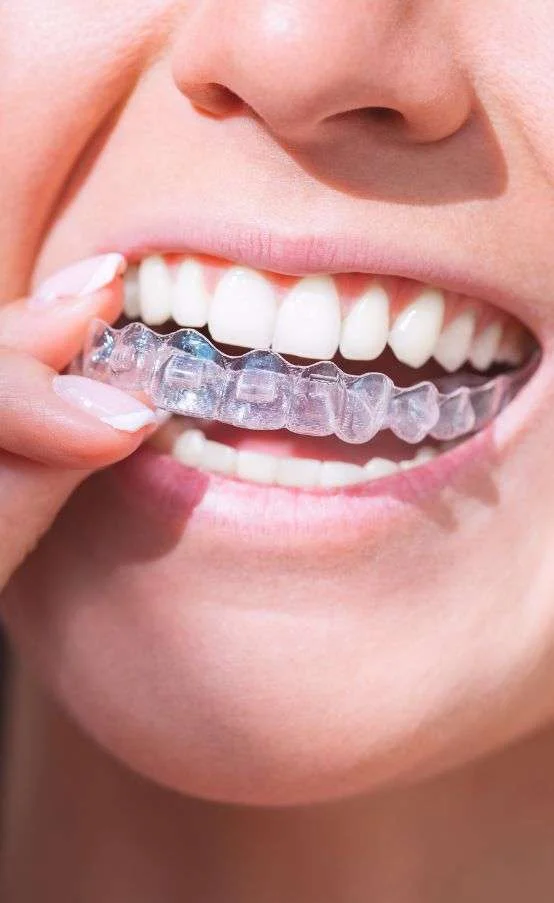
Invisalign in Glendale moves teeth using a series of clear, removable trays, each worn for one to two weeks before switching to the next. Teen cases use the same technology as adult cases, with a few additions designed for growing mouths. Trays can accommodate molars that have not fully erupted, and many include small blue compliance indicators that fade with wear, so you can see at a glance whether the trays are actually going in. Treatment is planned digitally from the start, using a 3D scan rather than putty impressions.
What Aligners Correct, and What They Do Not
Clear aligners handle crowding, gaps, mild to moderate overbite and underbite, and teeth that have drifted, which covers the majority of teen cases we see. They are less predictable for severe rotations, significantly impacted teeth, or bites that need major skeletal correction. We will tell you plainly if your teen falls into that second group, and will refer to an orthodontic specialist when that is the right call. An honest no at the consultation is far better than a treatment plan that quietly underdelivers.
The Compliance Question Every Parent Asks
This is the real difference between aligners and braces, and it deserves a straight answer. Aligners work only when worn, and the target is 20 to 22 hours a day. Braces do their job whether your teen cooperates or not. Some teenagers handle removable trays easily. Others lose them, forget them, or leave them out through lunch and a whole afternoon. You know which one you have. The compliance indicators help, phone reminders help, and a case that stalls can usually be recovered, but it is worth being realistic before you commit rather than three months in.
Ready to schedule your appointment? Call us at (818) 243-3838 or request an appointment online.
Aligners and School Sports
Fall sports and aligners coexist well, with one rule: trays come out and a custom mouthguard goes in for any contact sport. Aligners are not protective equipment and can crack under impact. Because trays are removable, your teen can switch to a mouthguard for practice and games and put the aligners back in afterward, which is one genuine advantage over fixed brackets. Bring your teen's sport up at the consultation so we can build the mouthguard into the same treatment timeline.
Everyday Life With Trays
Trays come out to eat and drink anything other than water, which means no grazing through a bag of chips with them in. That single rule is the biggest daily adjustment. On the other hand, brushing and flossing stay completely normal, and there is no list of forbidden foods, so popcorn at a football game is still allowed as long as the trays are in their case. Speech may sound slightly different for the first two or three days with each new set, and that resolves quickly. Trays should be rinsed in cool water, never hot, which can warp them.
Keeping Teeth Healthy During Treatment
Aligners trap whatever is on the teeth against the enamel for hours at a time, so hygiene during treatment matters more than usual. Brushing after meals before the trays go back in is the habit to build. Keep professional cleanings on the normal six month schedule throughout treatment. One of the quiet advantages of aligners over braces is exactly this: nothing gets in the way of a toothbrush or floss, so patients finish with straighter teeth and healthy enamel instead of white marks around where brackets used to sit.
What Treatment Costs and How Families Plan for It
Cost depends on how much movement the case requires and how long treatment runs, so a single advertised number is rarely meaningful. Many dental plans include an orthodontic benefit, often as a lifetime maximum rather than an annual one, and that benefit applies to clear aligners just as it does to braces. Our team will check your coverage before you commit, and we offer flexible financing that spreads the balance into monthly payments. If you are trying to get the most out of your plan generally, our post on making the best use of your dental insurance is worth reading first.
Retainers Are Part of the Plan
Teeth drift for life, and the years right after treatment are when they drift most. Every case finishes with retainers, and wearing them as directed is what protects the result. This is not an upsell tacked on at the end. Skipping retainers is the single most common reason people need a second round of treatment in their twenties, which our post on what comes after aligner treatment covers in more detail.
Book a Consultation in Glendale
The consultation is free, takes about an hour, and ends with a clear answer about whether your teen is a candidate, roughly how long treatment would take, and what it would cost. Dr. Ivan Chan welcomes families from Glendale, Burbank, Pasadena, Eagle Rock, La Crescenta, and Montrose. Call (818) 243-3838 or request an appointment online and start the school year with a plan.
Frequently Asked Questions
Is my teen a candidate for Invisalign?
Most teens with crowding, gaps, or a mild to moderate bite issue are good candidates. Severe rotations, impacted teeth, or bites needing skeletal correction may be better served by braces or an orthodontic specialist. You get a direct answer at the free consultation rather than a case that will underdeliver.
How many hours a day do the trays have to be worn?
Twenty to twenty-two hours a day, which means they come out only for eating, drinking anything other than water, and brushing. This is the single biggest factor in whether treatment finishes on schedule, and it is worth being honest with yourself about before committing.
How long does teen treatment usually take?
Most cases run roughly twelve to eighteen months, though simple spacing corrections can finish faster and complex cases take longer. You get an estimated timeline at the consultation, based on a 3D scan rather than a guess.
Can my teen play sports with aligners?
Yes, but trays must come out and a custom mouthguard goes in for any contact sport, since aligners are not protective equipment and can crack on impact. Mention your teen's sport at the consultation so the mouthguard is built into the same timeline.
Does dental insurance cover Invisalign for teens?
Many plans include an orthodontic benefit that applies to clear aligners the same way it applies to braces. It is often a lifetime maximum rather than an annual one. Our team verifies your specific coverage before you commit and offers financing for the balance.
What happens if a tray gets lost?
Call us. Depending on where you are in the series, the usual fix is to go back to the previous tray or move ahead to the next one while a replacement is made. It is a common and recoverable situation, but tell us quickly rather than skipping ahead on your own.
Related Articles
The Next Steps After Invisalign: 5 Essential Actions for Long-Term Success
Achieving a straighter smile with Invisalign is an exciting milestone, but the journey doesn't end when the aligners come off. Following a few steps,...
Read More
Your Top Questions About Invisalign Treatment in Glendale, CA
Are you considering Invisalign to straighten your smile. If you're wondering how Invisalign could fit into your life, you're not alone
Read More
Patients Are Asking These Questions Before Choosing Invisalign!
Invisalign is a popular and effective way to straighten teeth without the hassle of traditional braces. At Glendale Dental Wellness, Dr
Read More